

Koniec sveta duo
Voice & violoncello
WARHOL BASICS
From Miková to the New York underground. Rusyn folk songs sung by Andy Warhol’s mother meet iconic tracks by The Velvet Underground in a unique musical dialogue between voice and cello.
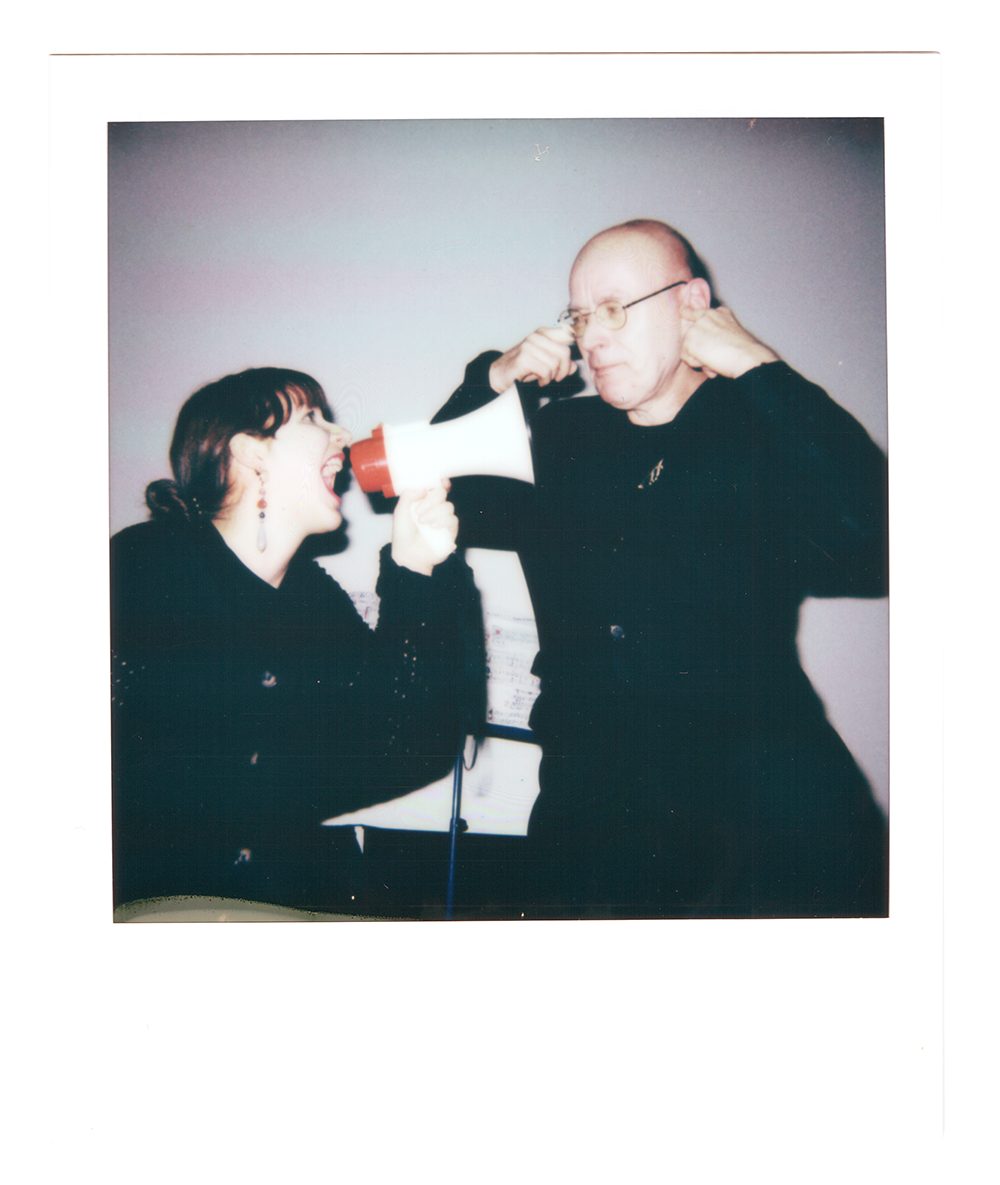
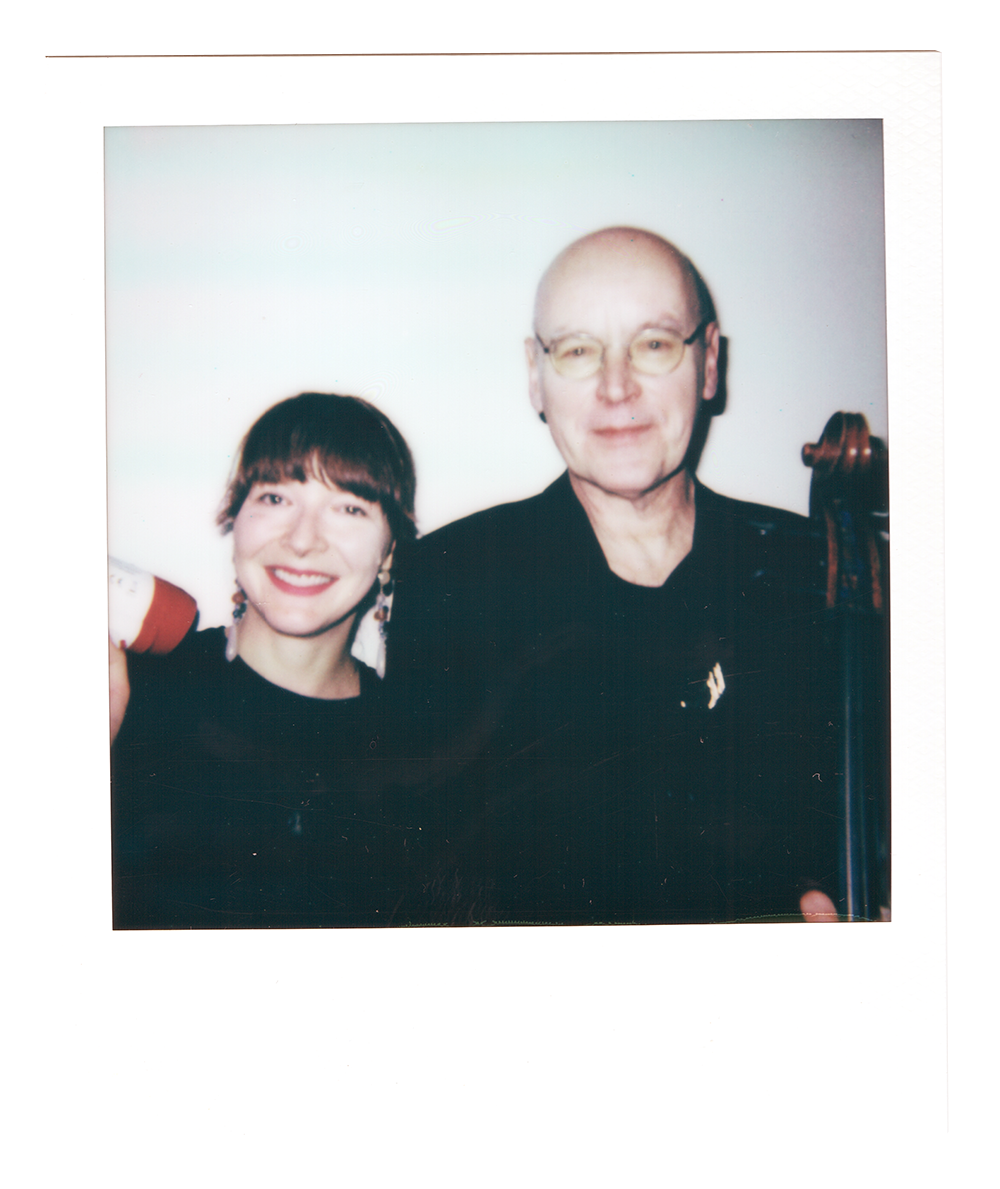
Koniec sveta duo brings together Rusyn folk songs from Miková, Andy Warhol’s ancestral village, and acoustic interpretations of The Velvet Underground. The songs come from a rare 1950s recording of Warhol’s mother, Julia Warhola, singing in Pittsburgh and sending a copy to her sister in Miková.
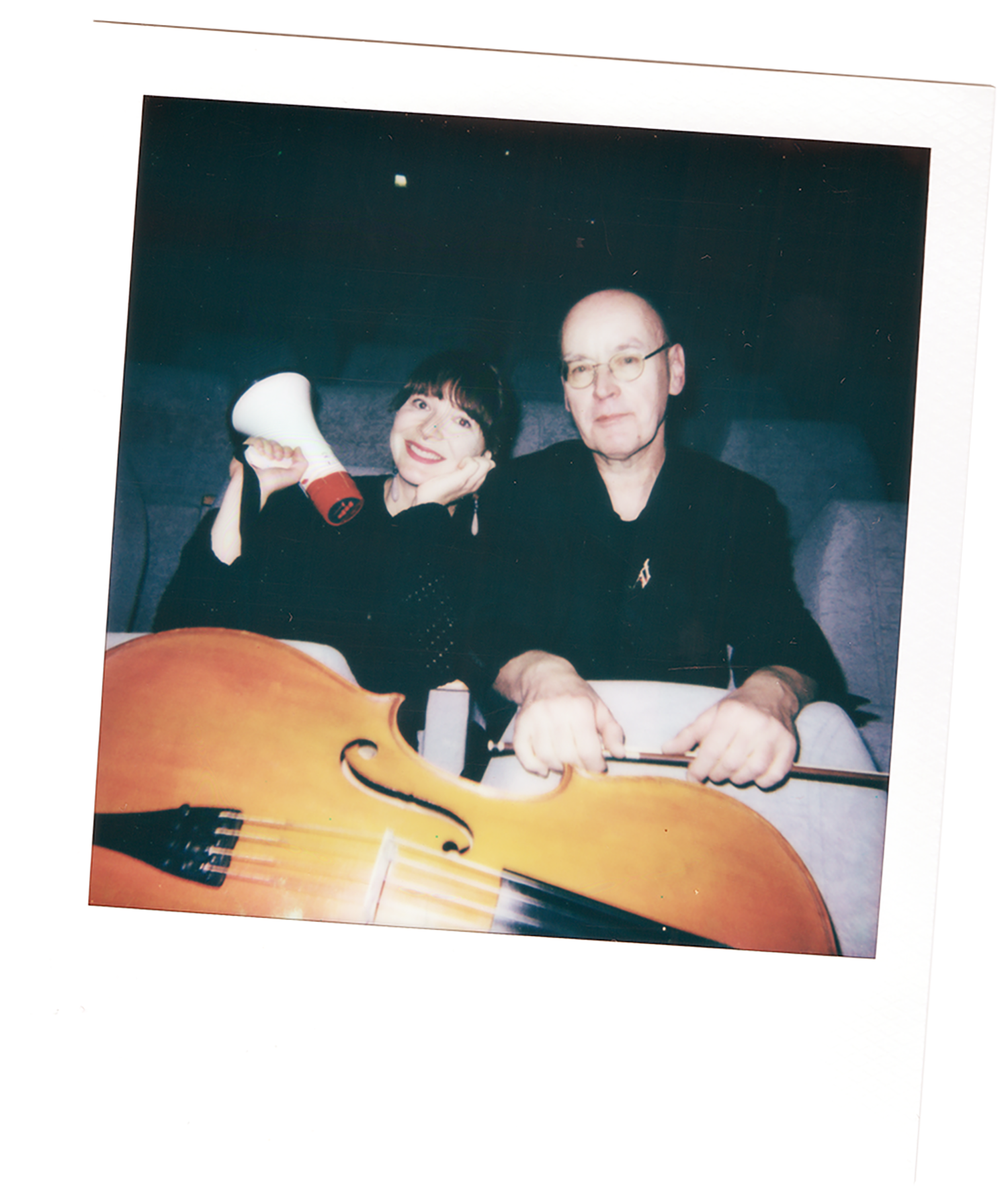
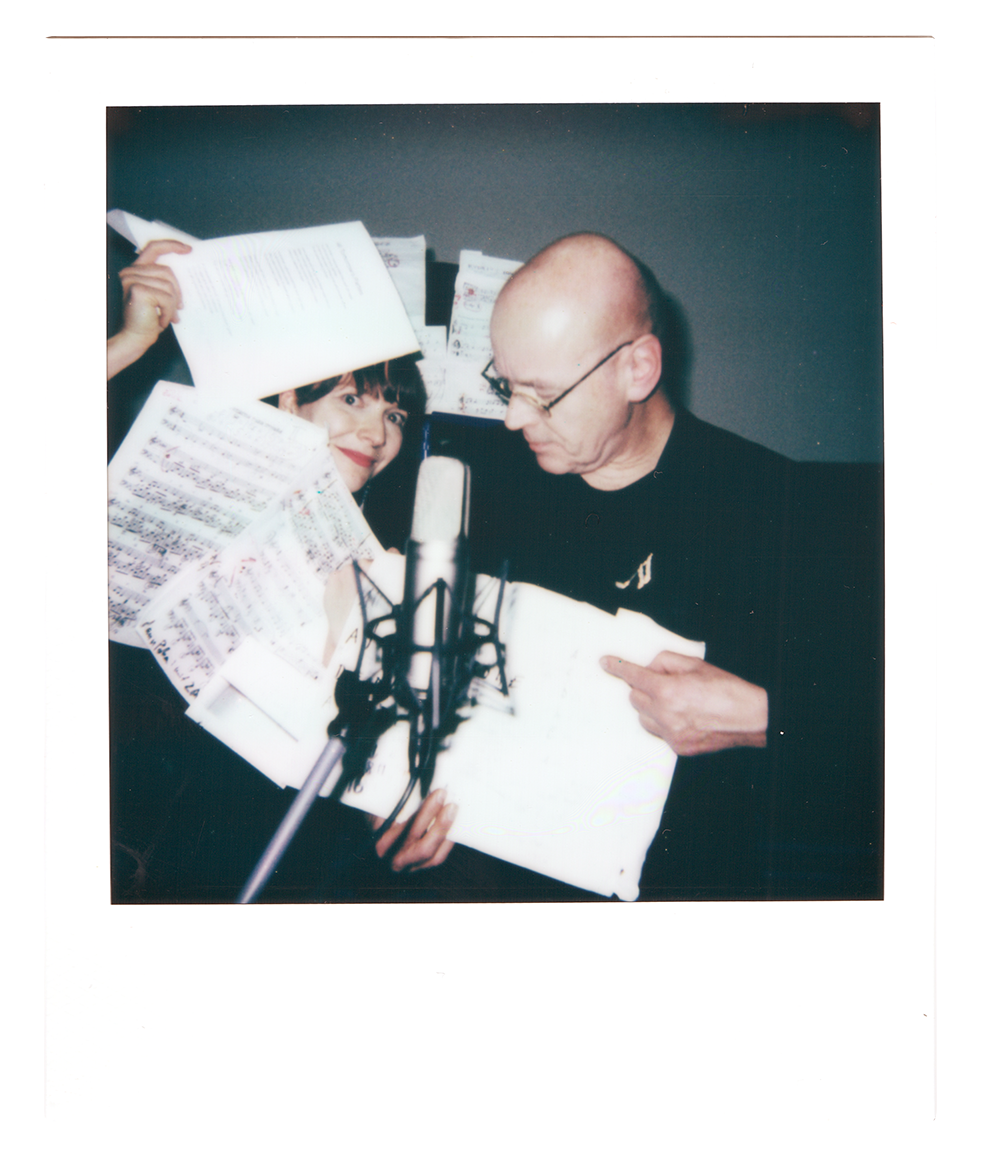
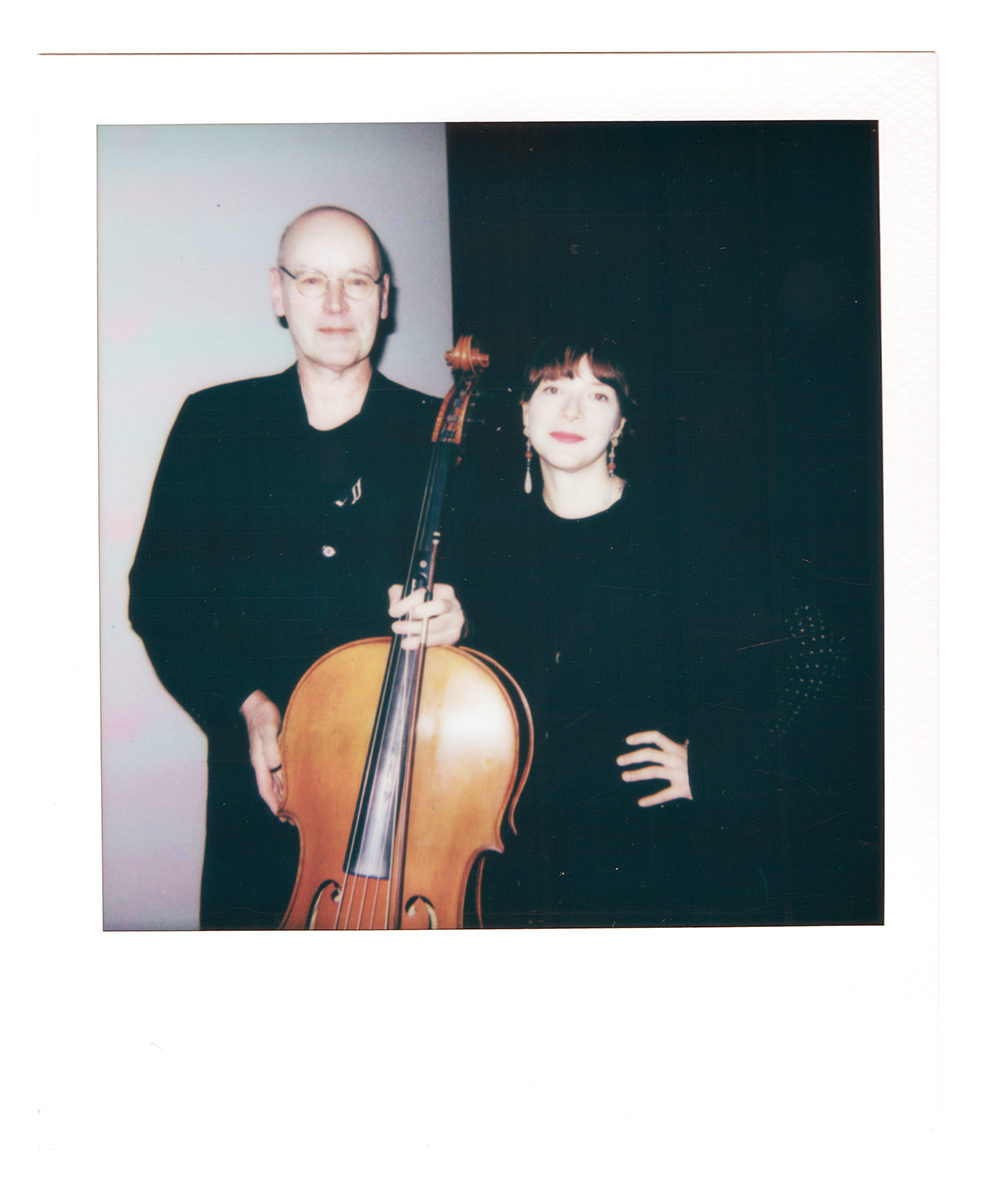
Slovak singer Zuzana Žiaková and Vienna-based cellist Eckhard Mützner connect this intimate musical legacy with songs from The Velvet Underground & Nico (1967), produced by Warhol. Through voice and cello, family memory meets the New York avant-garde in a meeting of two seemingly distant worlds.
Julia Warhola, Andy Warhol
& The Velvet Underground
Koniec sveta duo brings together two musical worlds connected by the name of Andy Warhol: traditional Rusyn folk songs from Miková, the ancestral village of his family, and the music of the legendary band The Velvet Underground.
Andy’s mother, Julia Warhola, carried the songs and traditions of her homeland from Miková into her new life in Pittsburgh. In the 1950s, she recorded Rusyn folk songs there and sent a copy of the record to her sister in Miková. Rediscovered decades later, the recording preserved a unique vocal legacy of the Rusyn community.
Years later, her son Andy became a key figure in the New York avant-garde and produced The Velvet Underground & Nico (1967), the band’s groundbreaking debut album. He brought the band into his multimedia performances, where music, film and visual art collided.
In WARHOL BASICS, family memory meets the musical avant-garde. Two seemingly distant worlds come together through voice and cello, tracing a journey from a small Carpatho-Rusyn village to the heart of New York’s artistic scene.

Julia Warhola with her sons John (left) and Andy (right), c. 1930
Julia Warhola
Julia Warhola, née Zavacká, was born in 1891 in Miková, a small Rusyn village in what is now northeastern Slovakia. She grew up in a world where folk songs, family stories and religious traditions were an integral part of everyday life.
In 1909, she married Andrej Warhola. Her husband emigrated to the United States in search of work, and Julia followed him in 1921. They settled in Pittsburgh, where they raised three sons. Their youngest, Andrew, later known as Andy Warhol, was born in 1928.
Julia passed on the Rusyn language, culture and faith to her son. Their close relationship eventually became an artistic collaboration. Andy incorporated her distinctive handwriting into his illustrations and books, while Julia pursued her own artistic interests. In 1960, she published Holy Cats by Andy Warhol’s Mother, featuring her drawings and calligraphy.
Her voice also survives in a recording of Rusyn folk songs made in Pittsburgh, a copy of which she sent to her sister in Miková. In 1952, Julia moved to New York to live with Andy. She died in 1972. Her story is one of migration, family bonds and a cultural heritage that endured far from home.
The Andy Warhol Museum – Happy Mother’s Day, Julia Warhola
The Andy Warhol Museum – Time Capsule 21: Julia Warhola
University of Pittsburgh Press – Andy Warhol’s Mother: The Woman Behind the Artist, Elaine Rusinko
TASR / Teraz.sk – Projekt Andy Warhol: Piesne mojej matky Julie – the story of a record that Júlia sent to Miková.
Andy Warhol
Andy Warhol was born Andrew Warhola on 6 August 1928 in Pittsburgh, to a family of Carpatho-Rusyn immigrants from Miková. He grew up in a working-class neighbourhood where American everyday life intertwined with the language, faith and traditions of his parents.
After studying art, he moved to New York in 1949 and became a successful commercial illustrator. During the 1960s, he emerged as one of the defining figures of Pop Art. At his studio, The Factory, he brought together visual art, film, music and popular culture, blurring the boundaries between the avant-garde and mass entertainment.
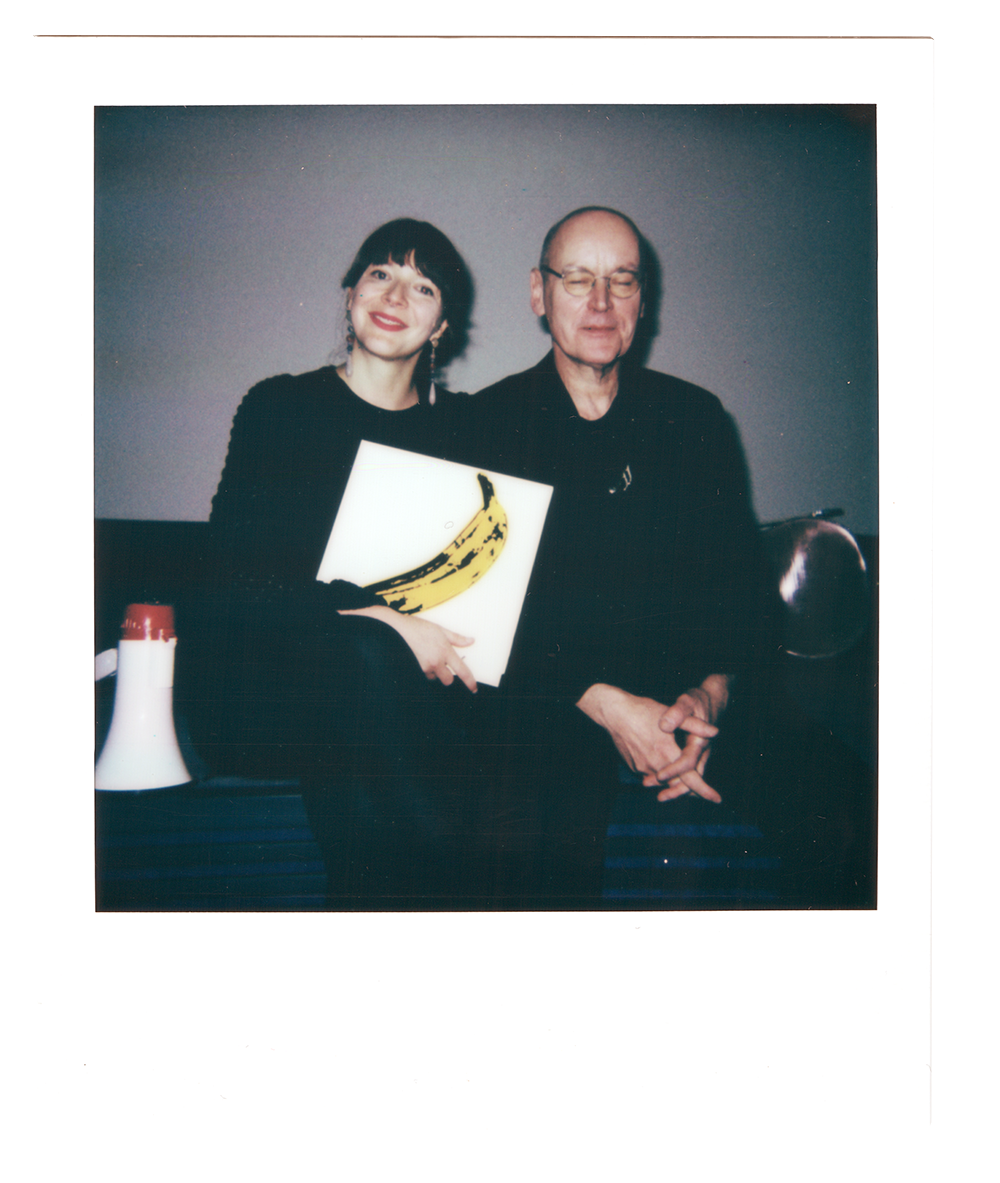
In 1965, Warhol began working with The Velvet Underground. He became the band’s manager and producer of its debut album, The Velvet Underground & Nico, released in 1967. He also designed its iconic banana cover and incorporated the band into his multimedia performances known as Exploding Plastic Inevitable.
Although Warhol became famous through New York’s art scene, his Rusyn roots remained an important part of his personal story. His life connected two seemingly distant worlds: the culture of a small Central European community and the radical new artistic movements he helped shape.

Andy Warhol, New York City, August 14, 1969.Photograph by Richard Avedon / © 2010 the Richard Avedon Foundation

The Velvet Underground & Nico, 1966
1968 reissue
© 2017 Andy Warhol Foundation for the Visual Arts / Artists Rights Society (ARS), New York
The Velvet Underground
The Velvet Underground emerged in New York in the mid-1960s, centred on singer, guitarist and songwriter Lou Reed and Welsh multi-instrumentalist John Cale. Guitarist Sterling Morrison and drummer Maureen “Moe” Tucker completed the lineup. The band developed a distinctive sound that brought together rock, experimental music, minimalist repetition and the raw energy of the urban underground.
In 1965, Andy Warhol took an interest in the group, becoming its manager and artistic patron. He introduced the band to German singer Nico, who performed on their debut album, The Velvet Underground & Nico. Released in 1967, its peelable yellow banana cover became one of the most recognisable images in music history.
Warhol incorporated the band into Exploding Plastic Inevitable, a series of performances combining live music with film projections, lighting and performance art. His approach helped create a new space between the rock concert and experimental art.
Although the album achieved little commercial success at first, it gradually became enormously influential for generations of musicians. Songs such as All Tomorrow’s Parties, Heroin, I’ll Be Your Mirror and Venus in Furs remain striking examples of the band’s fearless combination of beauty, unease and musical experimentation.
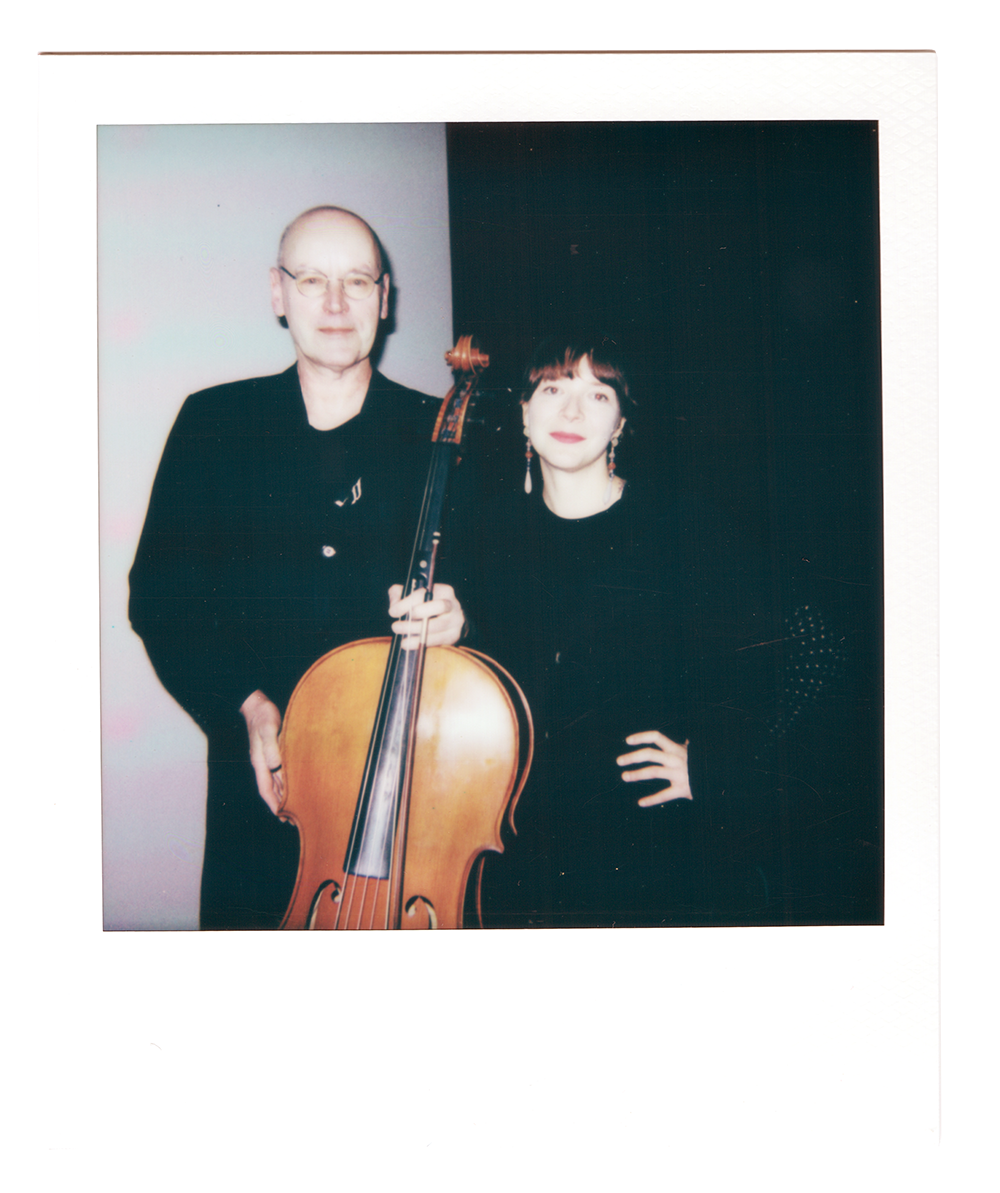
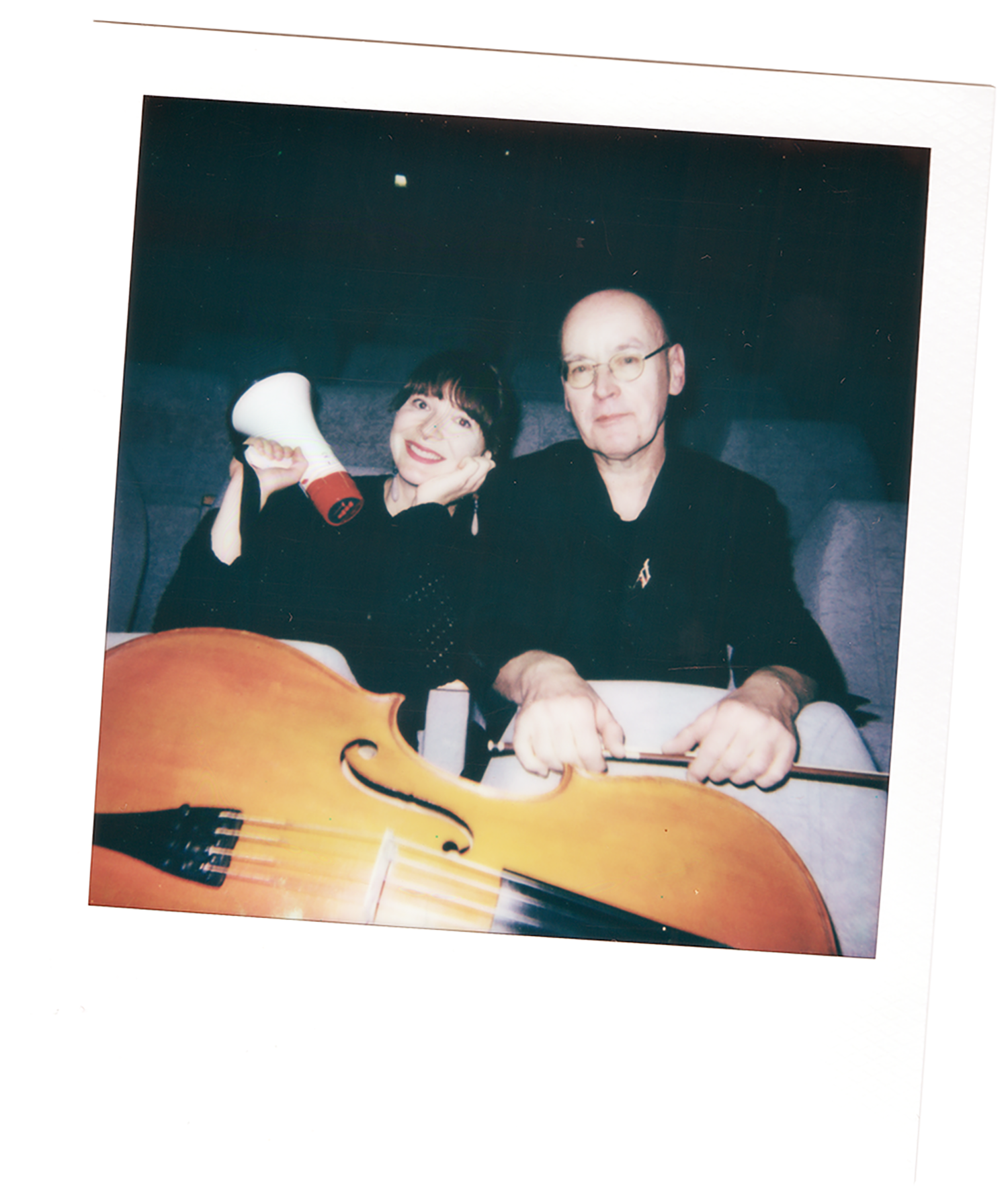
Koniec sveta duo

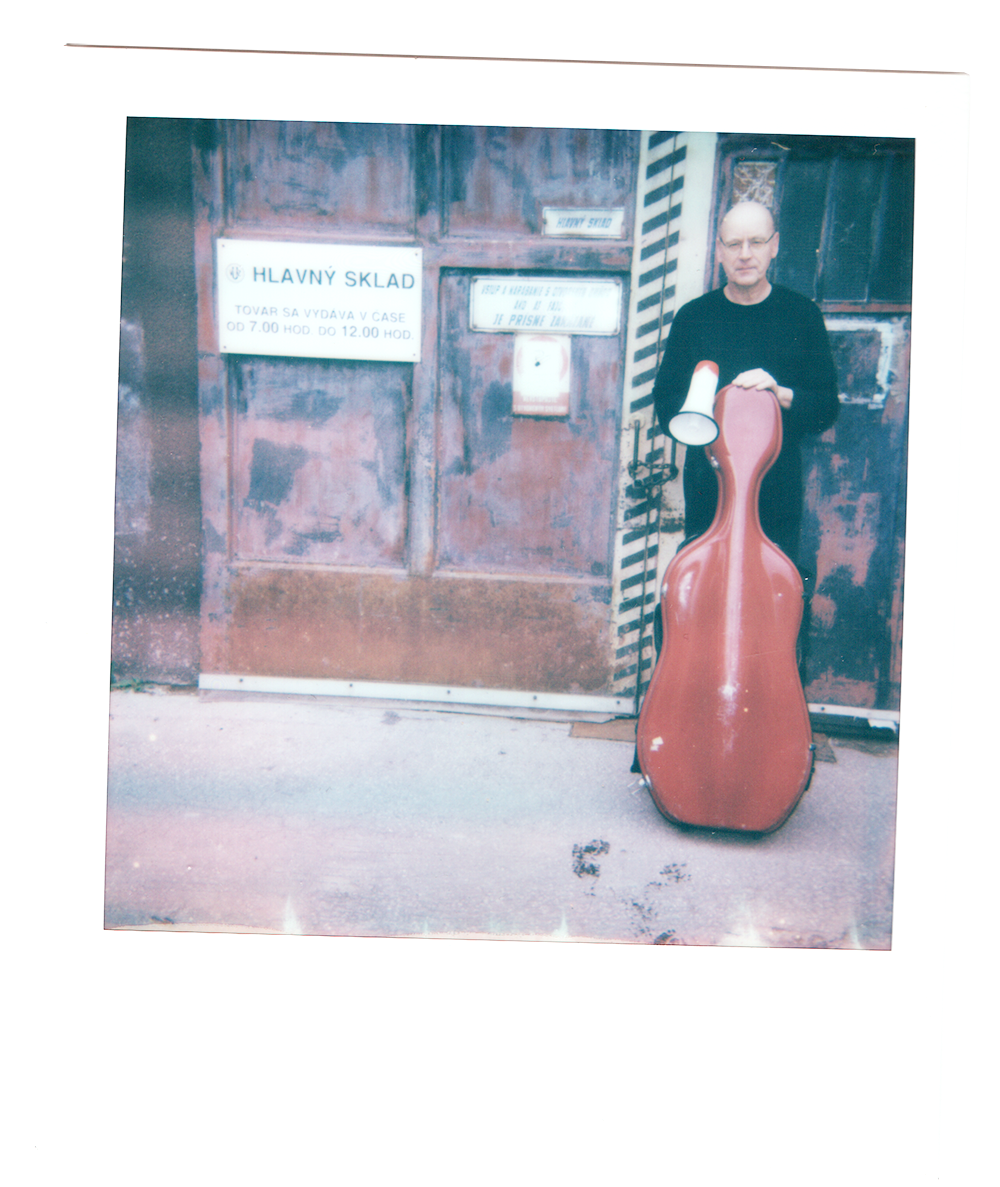
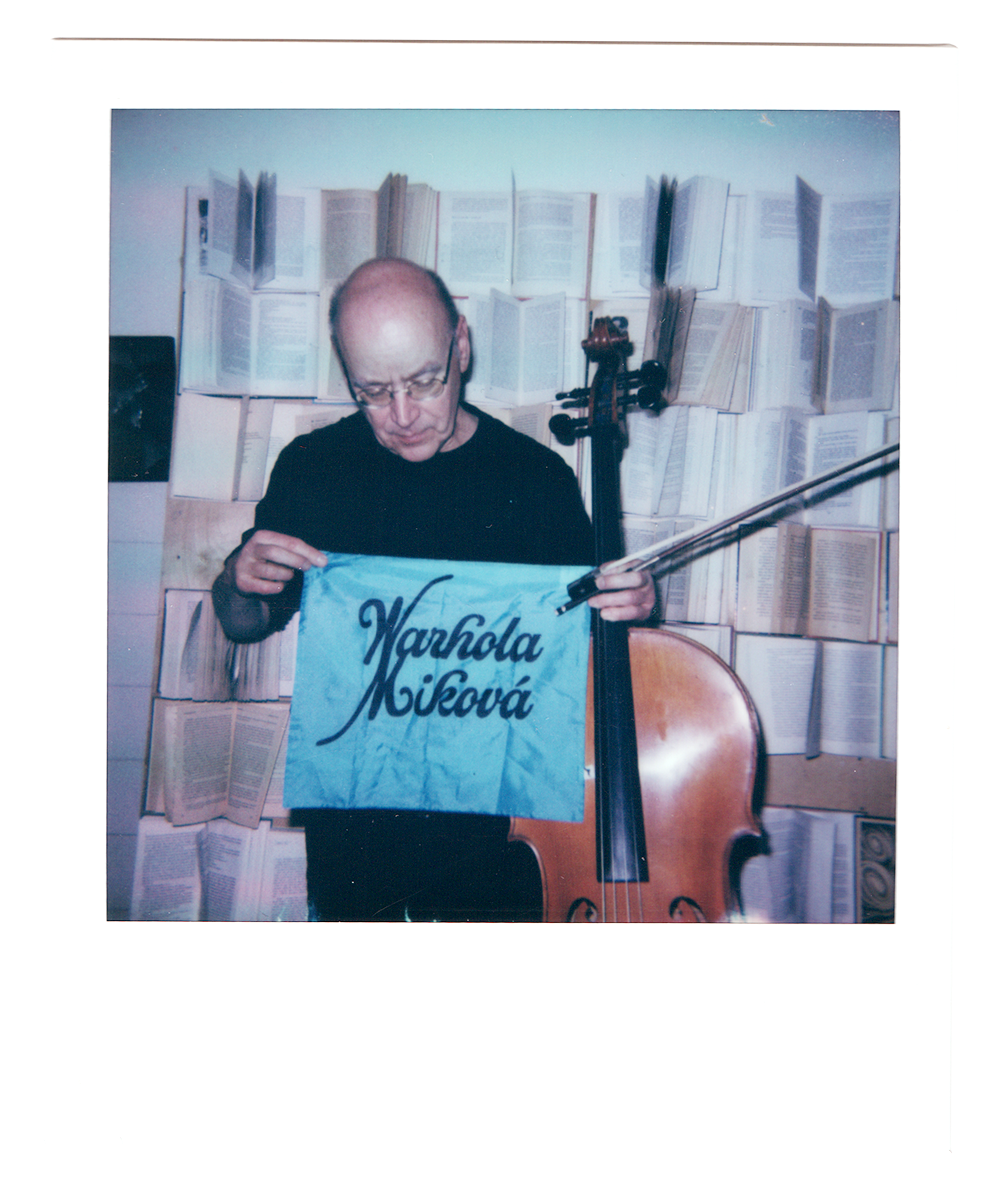
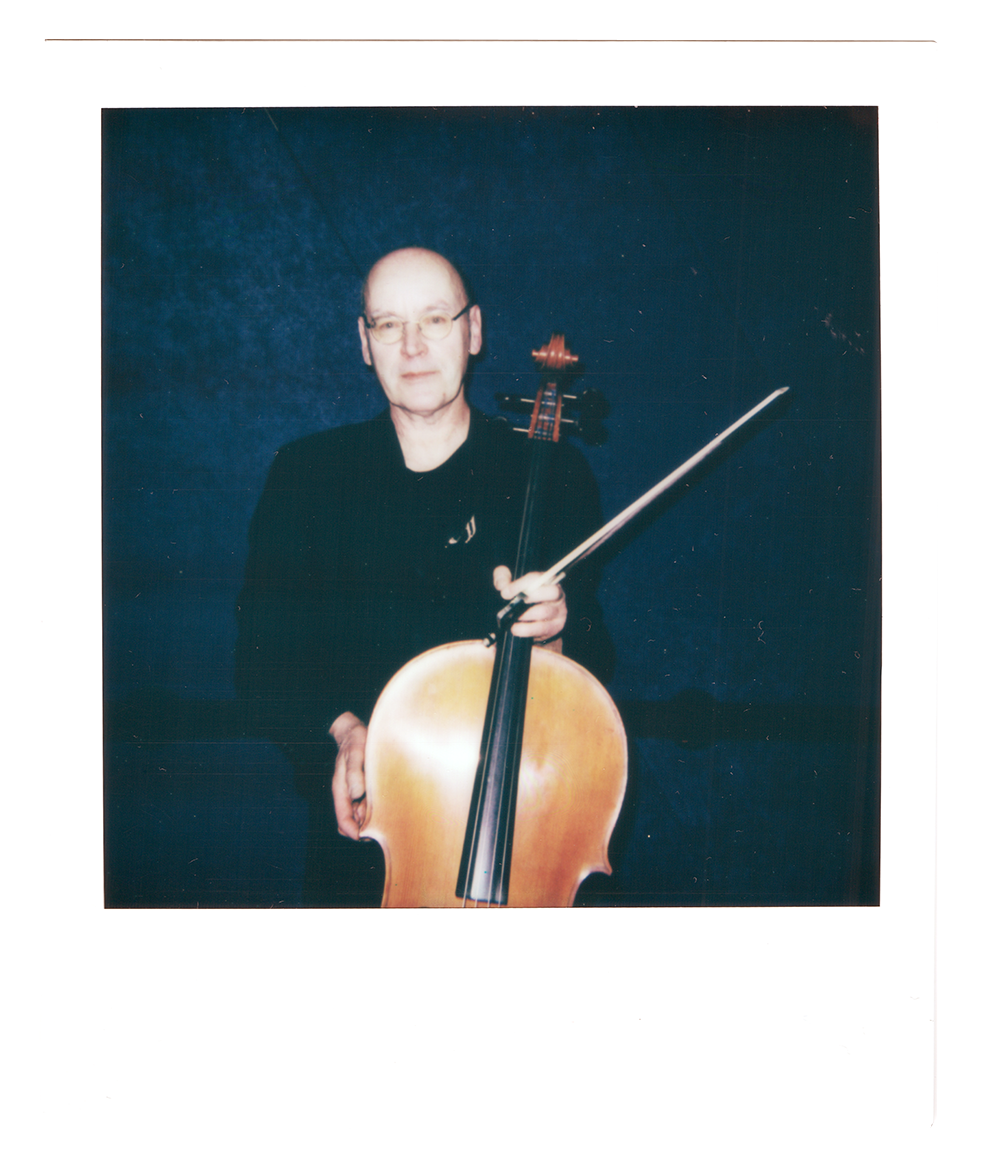
Eckhard Mützner
Violončelo

Zuzana Žiaková
Voice
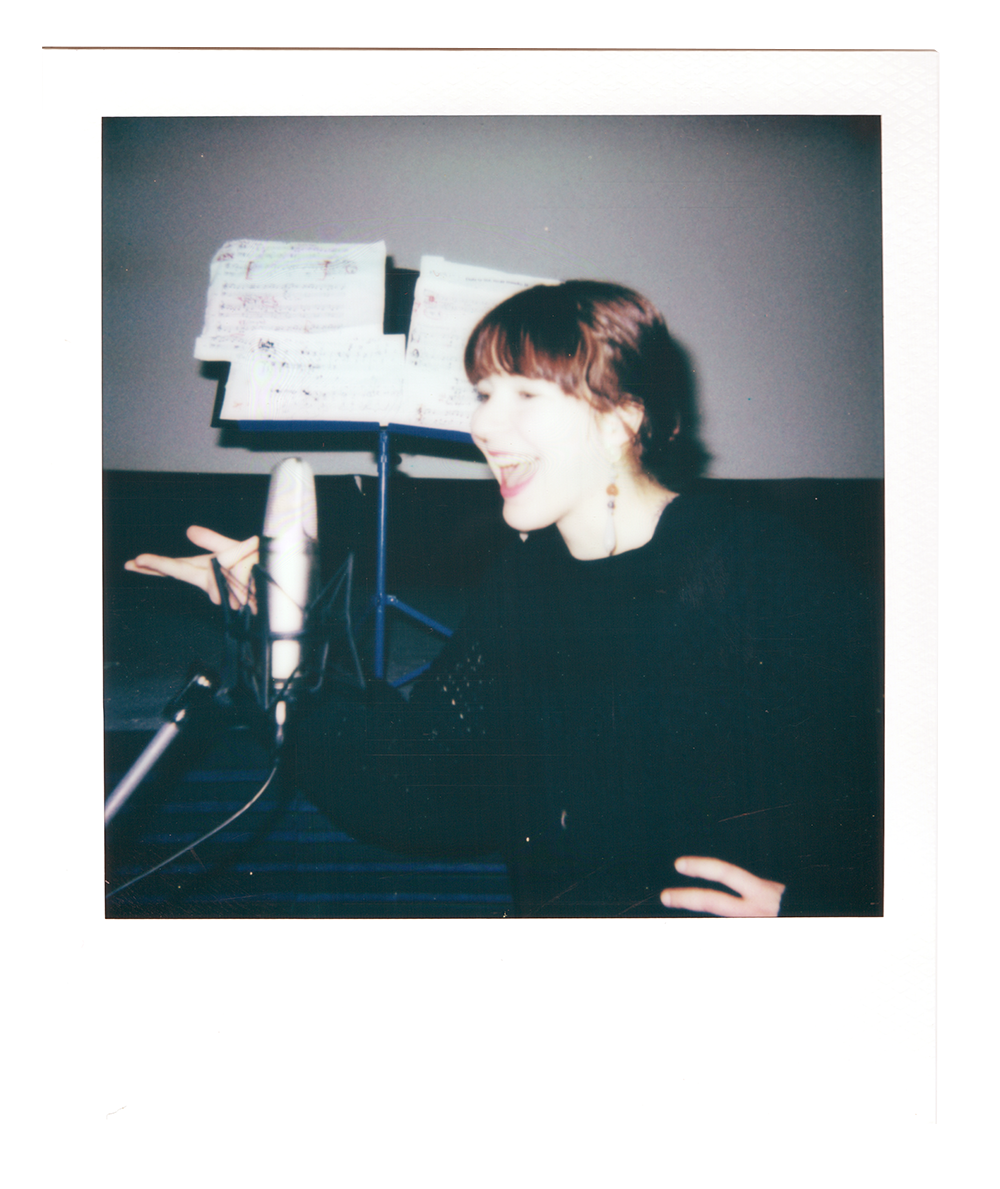
Zuzana Žiaková, also known as Vranka, is a Slovak musician, digital animator and cultural organizer. In 2020, she founded Neha!, a six-woman polyphonic vocal ensemble that has since performed more than 120 concerts in Slovakia and abroad. She previously performed with the bands Snowdrop and Watermelon Orchestra. Since 2022, she has been part of the team behind World Music Festival Bratislava, helping promote Slovak world music internationally through the WOMUSK (World Music from Slovakia) platform. Alongside her work as a 3D animator in the video game industry, she remains active as a performer and contributor to the international world music scene.




Gallery
Lorem ipsum dolor sit amet, elit ut elit tellus, luctus nec ullamcorper mattis lorem mattis.


Contact
You can contact us here:
✉️ zuzka.ziakova@gmail.com – slovak, english
✉️ weissensee@gmx.net – german, english
Phone
+421908 888 280 – slovak, english
+43 676 7895242 – german, english
The band Koniec sveta doesn’t have any social media accounts. 🙂
We are looking forward to
meeting you in preson!
Eckhard & Zuzana